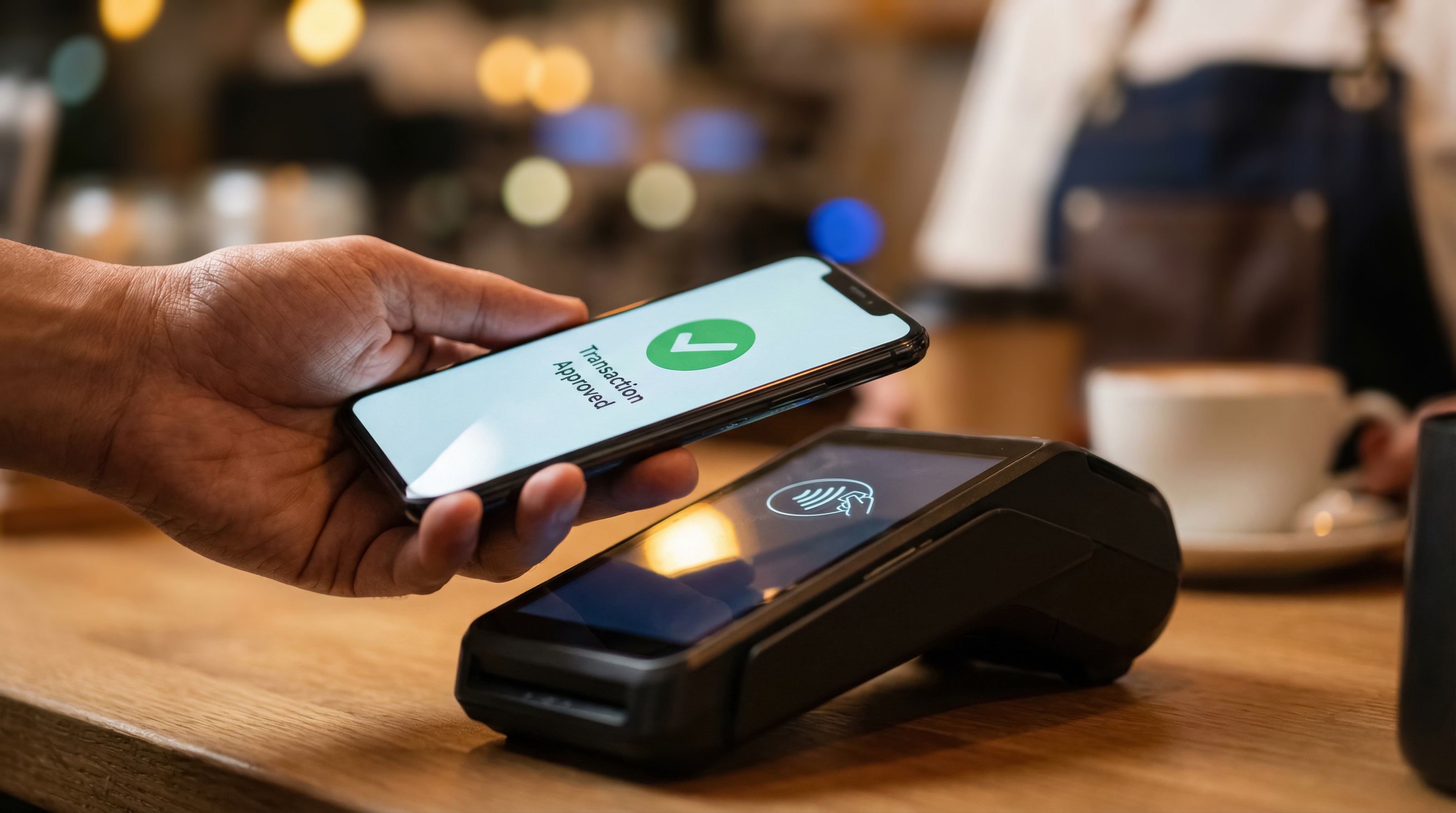
Brands are competing in a crowded market for declining consumer attention and spending. Being present in every relevant channel is therefore only part of the strategy, the experience must also feel right when the customer arrives. Checkout is one touchpoint in the customer journey, but it is becoming both more important and more complex as consumer preferences diverge across markets and demographics, and even for the same individual, depending on the circumstances of the purchase.
Why one payment experience no longer fits every customer
The same customer can have very different views of what a good experience looks like depending on what they are buying, where they are buying it and the market they are in. Consistency, therefore, should not mean reproducing the same experience everywhere.
Our recent How Europe Pays consumer research illustrates the point. Across five European markets, 30% of consumers say different payment methods feel meaningfully different to them depending on the situation. More importantly, almost a quarter say the payment options available at checkout now influence whether they take a brand seriously. So the payment experience is doing more than simply enabling a transaction. For a meaningful proportion of consumers, it is shaping how they judge the business they are buying from.
The payment infrastructure customers never see
Delivering that relevance requires businesses to think beyond the checkout itself. The methods presented to a customer are only the visible edge of a much larger system of acquiring connections, routing decisions, authentication, fraud management and transaction data. Each influences whether a payment succeeds and how effortless the experience feels. The challenge is to connect those capabilities across channels and markets without assuming that everything underneath, or everything the customer sees, needs to be uniform.
Turning transaction data into real-time intelligence
Payments also provide a rich source of intelligence about those experiences. Connected transaction data can show how preferences change between markets and channels, where approval rates deteriorate, where customers abandon and where unnecessary friction is suppressing conversion. As more intelligence becomes embedded within the payment flow, those signals can increasingly inform decisions in real time, improving routing, authentication and fraud management while making each transaction more likely to succeed.
Expanding across Europe without fragmenting operations
For businesses expanding across Europe, this means understanding where payment expectations genuinely differ and having the flexibility to respond. Local acquiring and payment methods matter, but so does being able to connect those capabilities across channels and markets without creating a fragmented operation behind the scenes. That is why we are partnering with FreedomPay, combining its connected commerce capabilities with Nuvei’s local payment expertise and global acquiring reach to help enterprise businesses create more consistent experiences across online and in-person commerce.
A more useful measure of consistency
As more channels and ways to pay emerge, there will be more complexity for businesses to manage, not less. Trying to make every experience identical is unlikely to be the answer. The more useful measure of consistency is whether customers can move between markets and channels and still feel that the experience makes sense for them. Increasingly, delivering that will depend on businesses having enough flexibility behind the scenes to do things differently when the customer needs them to.
This article first appeared in the RetailX CustomerX Report 2026.